



Financing for Momentum: A Middle-Market Playbook for Securing Bank Capital
For growth companies across the Mountain West, access to bank capital is more than funding—it is a strategic tool that enables scale, resilience, and long-term value creation. Companies that approach financing thoughtfully—aligning capital structure with business objectives and operational realities—tend to achieve stronger outcomes and smoother execution. In Utah and throughout the region, where founder-led and family-owned businesses are driving rapid economic expansion, preparation can meaningfully improve both access to capital and financing terms.
Start with Strategy
The most effective financing strategies begin with clarity around what the capital must accomplish over the next 12–24 months.
Operating liquidity, acquisitions, equipment purchases, technology investments, or geographic expansion may each require different financing structures. Revolving credit facilities often support working-capital cycles, while delayed-draw term loans can align with acquisitions or facility expansions. Equipment financing may preserve liquidity for operating needs, and treasury and working capital solutions can accelerate cash conversion without increasing leverage.
Companies that clearly link their capital needs to defined business milestones create stronger alignment with lenders and a more efficient path to execution.
Tell a Durable Story
Lenders underwrite durability—not just momentum. A strong financing narrative explains what drives earnings over the next three to five years and separates sustainable growth from temporary spikes. Companies that clearly articulate customer demand, pricing power, operating leverage, and margin expansion opportunities provide lenders with greater confidence in long-term stability.
Operational transparency also matters. Visibility into customer concentration, contract structure, backlog, and pipeline strength helps lenders evaluate revenue predictability. Consistent reporting, strong financial controls, and clear performance metrics further strengthen a company’s credit story.
Ultimately, the goal is to demonstrate how capital supports measurable business outcomes—not simply balance sheet expansion.
Translate Strategy into Underwriting Metrics
Strong companies often understand their strategy well but underestimate how that strategy translates into the metrics lenders evaluate.
Banks assess leverage tolerance, liquidity runway, and covenant headroom through both base-case and downside scenarios. Companies that proactively demonstrate these dynamics—such as net leverage trajectory and cash flow durability—make underwriting significantly more efficient.
When applicable, clearly documenting asset quality, receivables, inventory, and equipment also helps lenders benchmark risk and structure financing more flexibly.
Preparation Accelerates Execution
The most efficient financings occur when companies arrive prepared with clear and consistent financial materials.
This typically includes three years of audited or reviewed financial statements, current year-to-date performance, and forward-looking projections outlining growth assumptions and operational drivers. Detailed working-capital reporting—such as accounts receivable aging and inventory turns—can further help lenders understand liquidity dynamics.
Providing these materials early often shortens underwriting timelines and positions companies to achieve more competitive financing terms.
Capital as a Strategic Partnership
When companies approach financing as a strategic process rather than a transaction, the results are often more durable. Preparation, transparency, and a clear connection between capital and business strategy allow lenders to move quickly and structure solutions that support long-term growth.
In a region defined by entrepreneurial momentum and ambitious companies, the right capital strategy can transform financing from a constraint into a catalyst.
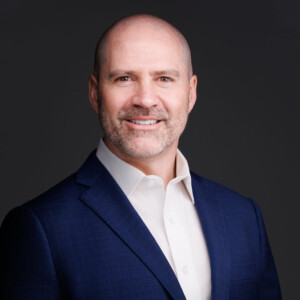
John Shane, Region Manager for JPMorgan Chase in Utah
Leading the firm’s Commercial & Investment Banking statewide. He sets strategy, deepens client partnerships, and drives risk-disciplined, long-term growth aligned with the bank’s 100-year regional legacy. A Utah native, he returned after national leadership roles to deliver tailored solutions for founder-led and family-owned companies.